What Is a Target Audience, and How Do You Find Yours!
 Joram BoonSEO and content specialist
29 May 2024 · updated 15 May 2024
Many entrepreneurs who start an online store struggle to reach the right customers. You can have the best products and a fantastic website, but if you're not reaching the right people, you won't sell anything. Without a clear target audience, you waste money and time on marketing that doesn't work.
Understanding and analysing your target audience is the key to success in e-commerce. By knowing exactly who your customers are and what they want, you can create targeted marketing campaigns that actually deliver results.
In this article, we explain what a target audience is, why it matters so much, and how to carry out a proper target audience analysis. That way, your online marketing budget doesn't go to waste on scattershot efforts, but actually hits its goals and drives revenue.
Want to find out how? Read on!
What Is a Target Audience?
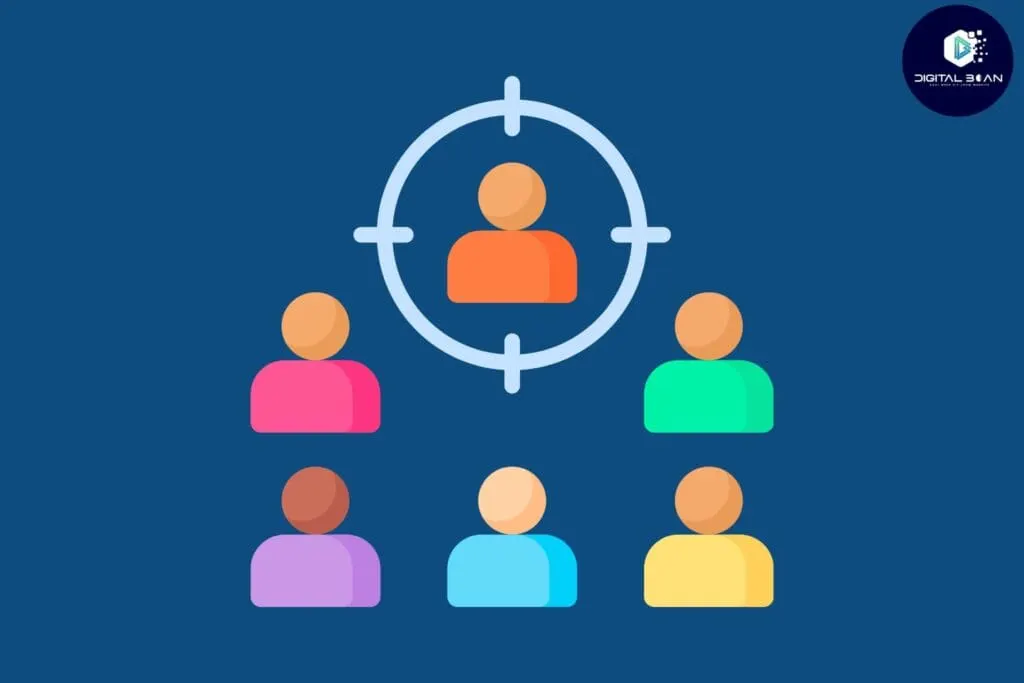
A target audience is a specific group of people you want to reach with your products or services. Think of age, gender, interests, or buying behaviour. By knowing who your ideal customers are, you can create targeted online marketing campaigns that better match their needs and wants.
Broad versus specific target audiences
Broad target audience: This means you try to appeal to as many people as possible. The downside is that your message often becomes too generic, making it hard to really stand out.
Specific target audience: Here, you focus on a smaller, clearly defined group of people. This makes it easier to tailor your marketing to their specific needs and interests, which usually leads to better results.
Why Does Your Target Audience Matter So Much?
Knowing your target audience really matters a lot for the success of your e-commerce business. Here are a few reasons why:
Targeted marketing: If you know who your customers are, you can create targeted campaigns that really speak to them. That means wasting less money on ads that don't work.
More sales: By tailoring your marketing to the right people, they're more likely to buy something. This leads to more revenue and usually a better ROI, because you waste less money on ads shown to visitors who aren't interested anyway.
Happy customers: If you offer products and services that match what your customers want, they're happier. Happy customers come back and tell their friends about you.
Clear communication: With a good picture of your target audience, you can communicate better. You know which tone and message work best, which leads to better customer relationships.
Better product range: If you know what your customers want, you can improve and adjust your products. This makes your range more appealing.
In short, knowing your target audience makes all your marketing efforts more effective and helps you better match what your customers actually need. This matters enormously for success in e-commerce!
How Do You Find Your Target Audience from Scratch?
Finding your target audience from scratch can be a challenge, but with a structured approach, you can discover and reach your ideal customers. Here are the steps to get started:
Step 1: Identify Your Product or Service
Before you can determine your target audience, you need to be clear on what you offer. What are the features and benefits of your product or service? What problems does it solve? This helps you understand who could benefit from what you have to offer.
Step 2: Define Your Market
Look at the market you operate in. What are the trends? Who are the big players? Which niche can you serve? By properly understanding your market, you can better assess where your opportunities lie and who you could potentially reach.
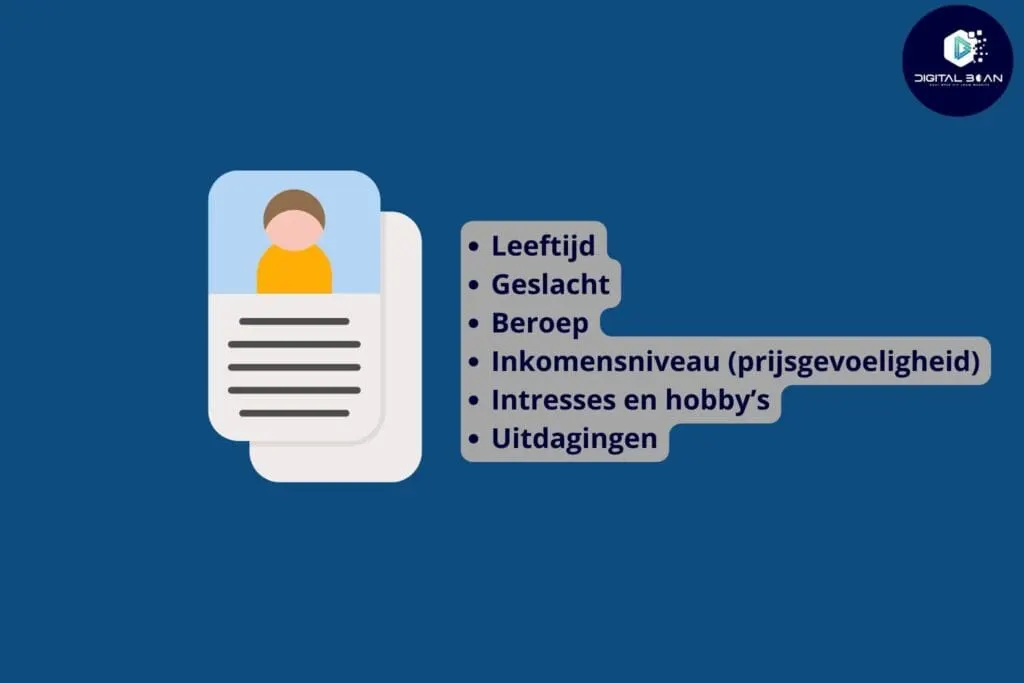
Step 3: Create a Provisional Customer Persona
Even without data, you can build a provisional customer profile based on assumptions and general knowledge. Think about who's likely to buy your product or service:
- Age
- Gender
- Occupation
- Income level
- Interests and hobbies
- Challenges
These are the basic characteristics of your potential customers.
Also think about who you'd like to help. Which people do you enjoy working with? Which customers give you energy? It's important to be clear on this for yourself. That way, you stay motivated and keep enjoying your work.
Step 4: Where Are These People?
To reach your target audience effectively, you need to know where they're active online. Start with social media: young people are often on Instagram and TikTok, while professionals use LinkedIn.
Use tools such as Google Analytics to see which websites send traffic to your site.
Online forums such as Reddit and niche communities can also offer valuable insights. See which blogs and news websites your target audience reads and discover popular YouTube channels in your niche.
By knowing where your target audience spends time online, you know where to advertise and can easily tailor your content to them!
Step 5: Look at Competitors
Analyse your major competitors or similar e-commerce brands. Who are their customers? What kind of content do they post? Which ads do they use? By looking at who your competitors attract, you get an idea of who else might be interested in your product or service.
Step 6: Talk to People
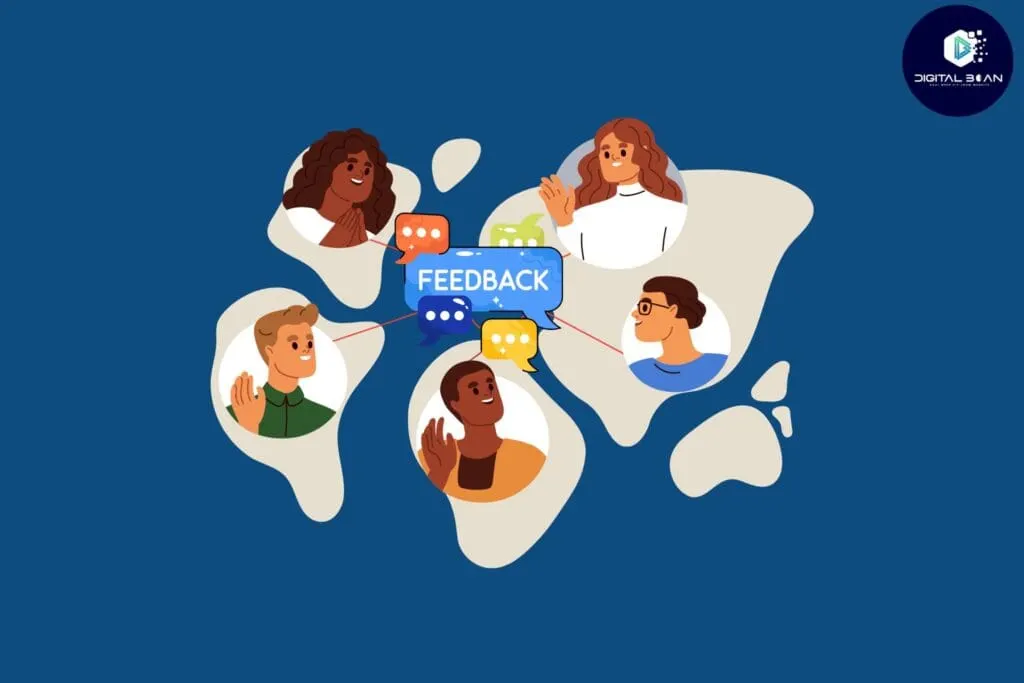
Use your network to get feedback. Talk to potential customers, friends, family or people in your industry. Ask them what they think of your product or service, and who they think would want to buy it. This direct feedback can give you valuable insights.
Step 7: Use Tools
Make use of various online tools to learn more about your target audience and their behaviour:
- Google Search Console: See which keywords people use to find your website and which pages are popular.
- Google Trends: Discover which search terms are trending in your industry and how interest in these terms changes over time.
- Google Ads: Use the Keyword Planner to analyse search volumes and trends and target ads at specific demographics.
- TikTok, Instagram, Facebook, LinkedIn: Use social media analytics tools to gain insight into your followers' demographics and interests. See which content performs best and who's engaging with it.
- Reddit: Explore subreddits relevant to your niche to understand what your target audience talks about and which problems they want to solve.
Step 8: Carry Out Target Audience Research
Start with broader research to test and refine your assumptions. This can be done through surveys, interviews or focus groups. Ask targeted questions to learn more about the needs, problems and wants of your potential customers. Ask questions such as:
- What are your biggest challenges when buying this type of product?
- Where do you look for information about this product?
- What would convince you to buy this product?
Questions like these help you gain deeper insights and further refine your provisional customer profiles.
Step 9: Analyse the Data
Once you've gathered enough data, analyse it to find patterns and common characteristics. Use tools such as Excel or specialised data analysis tools to organise your findings.
Pay attention to which demographic groups respond most positively, which problems they want solved, and what needs they have. This information helps you adjust and refine your provisional customer profiles.
Step 10: Segment and Test
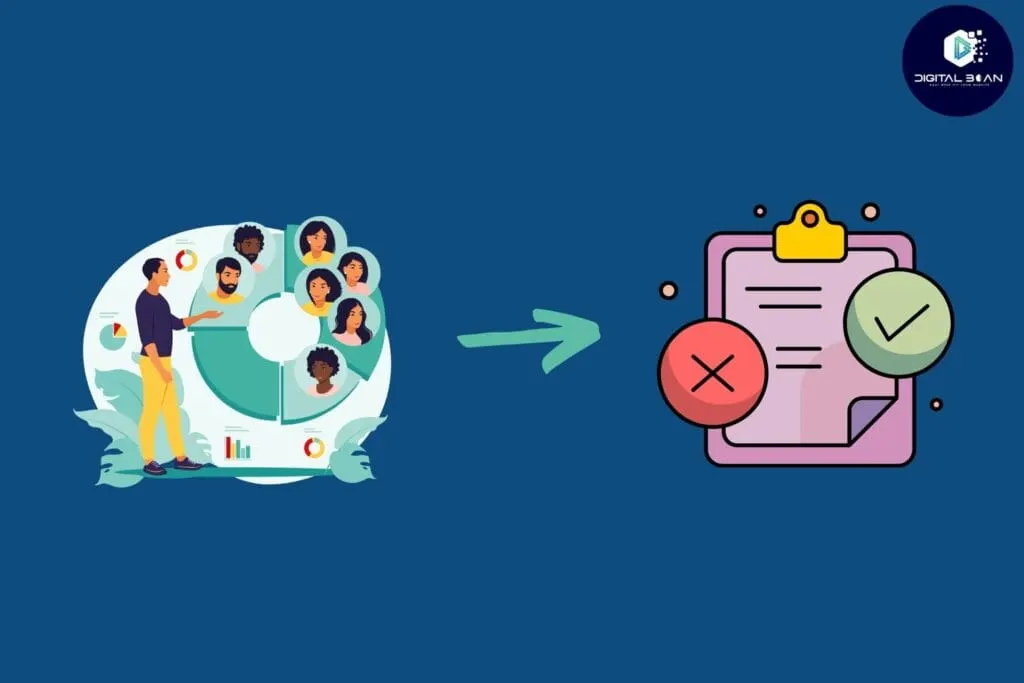
Divide your target audience into smaller segments based on shared characteristics, such as age, location, or interests. For each segment, you can test different marketing messages and strategies. For example:
- For younger customers, you could focus more on social media marketing.
- For older customers, you could try email marketing.
Test different approaches to see what works best. Analyse the results of your campaigns to determine which strategies are most effective for each segment.
Step 11: Optimise and Scale
Based on your tests, optimise your marketing strategies. Identify which approaches work best and adjust your campaigns to make use of these techniques.
Scale up your successful campaigns by investing more budget and resources in them.
Keep continuously analysing your target audience and adjusting your strategies based on new data and feedback. This makes your marketing efforts increasingly effective and helps you reach your ideal customers better.
Tailoring Content to Your Target Audience
Once you know who your target audience is, you can make your marketing far more effective by adapting your content to their wants and needs. Here are a few tips for doing this:
Know their preferences and language: Speak your target audience's language. If you want to reach young people, use informal language and popular terms. For a more professional audience, keep the tone formal and use terminology they understand.
Make your message personal: People want to feel spoken to directly. Use personalisation in your communication, such as using their name in emails or offering products that match their previous purchases.
Solve their problems: Think about the challenges and problems your target audience has and how your product or service can solve them. Create content that responds to this, such as blog posts, videos or guides that offer useful solutions.
Choose the right channels: Not every target audience is on the same platforms. Young people are often active on Instagram and TikTok, while professionals spend more time on LinkedIn. Make sure you're present on the channels where your target audience is active.
Use visual content: People are drawn to images. Make sure your content is visually appealing, with images, infographics and videos that support and clarify your message.
Keep it simple and clear: Whoever your target audience is, make sure your message is simple and easy to understand. Avoid jargon and be direct about what you want to convey.
Ask for feedback: Listen to your target audience. Ask them for feedback on your content and use these insights to improve your strategy. This might just be the most valuable feedback you can get!
Understanding your target audience matters enormously for the success of your e-commerce business. Here are the key points:
- Define your target audience: Know exactly who your customers are.
- Do thorough research: Use data and tools to analyse your target audience.
- Create targeted content: Make content that matches your target audience's needs.
- Personalise your marketing: Make sure your marketing message is personal and relevant.
- Get more out of your budget: Focus your marketing budget on the right target audience for better results.
Want help creating content that really resonates with your target audience? Digital Bean is happy to help with SEO and SEA, or a great social advertising campaign.
Book a call here and discover how we can help grow your e-commerce business!