EEAT? What Is That! And Why It Matters for Your Website!
 Joram BoonSEO and content specialist
13 March 2024 · updated 20 March 2024
EEAT stands for Experience, Expertise, Authoritativeness and Trustworthiness – the gold standard Google uses to judge the quality of content on its search results pages (SERPs). For business owners with a website, this means more than just offering products; it's about building a brand that stands rock solid in the eyes of both customers and search engines.
But how do you make sure your website isn't just seen as a source of products or services, but as the go-to place for expertise, authority and trustworthiness within your niche? And more importantly, how can this EEAT factor help you stay ahead of the competition and improve your rankings?
In this blog we take a deep dive into the world of EEAT. We explain what it is, why it matters so much for your ranking, and how you can optimise it on your own website. With practical tips and insights, we'll set you on the path to a website that doesn't just sell products, but also radiates trust and expertise! No time to lose, let's get started…
In Short
- Share your unique experiences and back them up with concrete examples.
- Highlight your expertise through qualifications and experience.
- Build authority through recognition and feedback.
- Ensure trustworthiness with accurate and verifiable information.
What Is EEAT?
In December 2022, Google introduced an update to its ‘Search Quality Raters Guidelines‘, a document Google uses to give its Quality Raters guidance. More on that shortly.
EEAT (Experience, Expertise, Authoritativeness, Trustworthiness) is an updated and improved version of the EAT principle, with ‘Experience’ added. This update highlights the importance of personal experience and unique content when judging the quality of web pages.
It all sounds very formal, but really it's Google's way of saying: “Hey, we want websites to be trustworthy, knowledgeable and useful for our users.”
EEAT at a glance!
EEAT stands for Experience, Expertise, Authoritativeness and Trustworthiness. ‘Yes, great, you just said that! But what does it actually mean?‘ Here's a clear breakdown…
-
- Experience: The content creator's personal experience with the topic. Think of first-hand personal experiences that can be demonstrated with images or other evidence.
-
- Expertise: Depth of knowledge or skill on a given topic. Think qualifications, certificates and work experience.
-
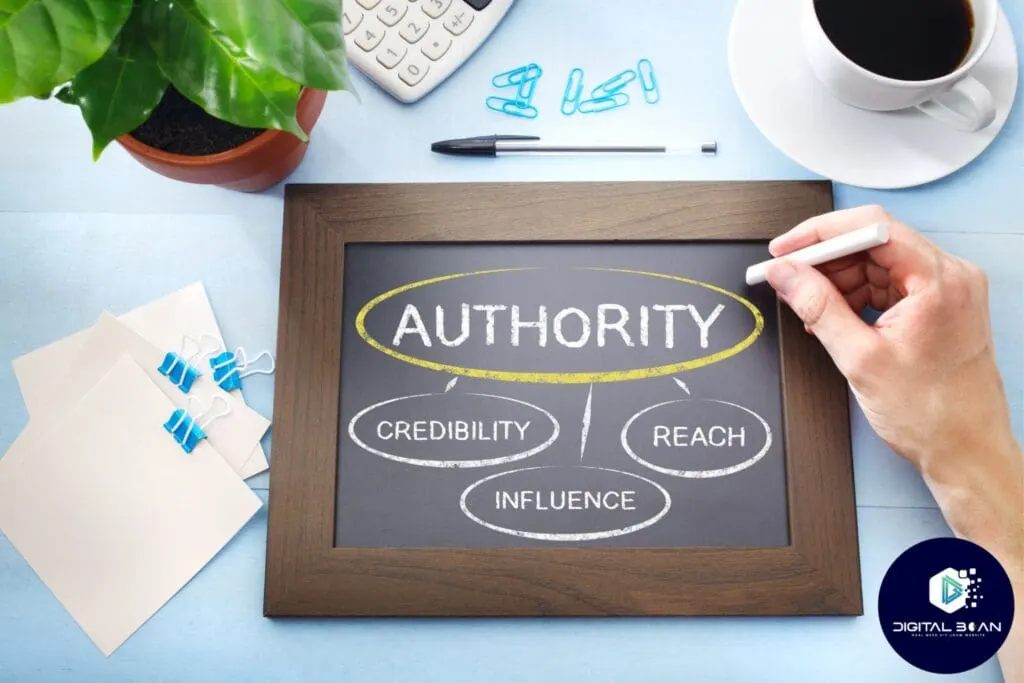
- Authoritativeness: Recognition as a high-quality source within an industry or field. Think being cited by other authoritative sources, demonstrating awards and honours, and positive reviews.
-
- Trustworthiness: The ability to present accurate and honest information. All the information and claims you make are well substantiated and verifiable, with references to credible sources.

The role of Quality Raters
Now for the interesting part. Google has a team of over 16,000 people from external agencies, known as quality raters, who assess websites and give them a Page Quality (PQ) score. These scores range from Very Low to Very High. Think of these raters as the judges on a talent show, except instead of singing or dancing, they're judging your website on EEAT.
Based on this PQ score, Google's algorithm can better understand what ‘helpful content’ looks like. It then uses this score to improve the search results. So EEAT can indirectly have a HUGE influence on your rankings!
The EEAT Mindset!
Meet the EEAT mindset! A mindset that makes your online store update-proof and keeps it performing brilliantly, and more importantly, keeps it trusted by your customers! Here's the mindset…
The mindset means focusing on creating great content and a website that shows you're an expert, trustworthy, authoritative, and that you share real experiences. This builds rock-solid trust with your visitors, and it also shows Google that your website makes a positive contribution to the web.
So instead of worrying about immediate rankings, focus on the LONG GAME. Build a site that people want to read, share and return to. It's about building a strong foundation that both users and search engines can't ignore!
How to Optimise EEAT for SEO!
Now that you know the EEAT mindset, you'll want to put it into practice! But what exactly needs to happen to get the most out of that EEAT factor? So here's an EEAT checklist…
Experience
Let's start with the first ‘E’, Experience. This is the newest of the bunch and is thankfully fairly simple to build into your content strategy. Here are a few ways to share your experience…
-
- Share Your Own Demonstrable Experience: Describe specific projects or situations where you gained unique insights or achieved results, and how these contributed to your clients' success. Back this up with images or other evidence too!
- Share First-Hand Knowledge: Publish content based on personal experiences and insights you've gained while working in the industry, to show your expertise, commitment and up-to-date knowledge.
- Write Compelling Case Studies: Present detailed case studies that highlight specific challenges, the solutions you implemented, and the results you achieved for your clients, including statistics and client feedback.
- Use Your Own Data and Research Where Possible: Share original research, surveys or data analyses you've carried out, to support your arguments and strengthen your authority in your field.
- Use Authoritative Sources to Back Up Your Claims: Refer to recognised research, publications or experts in your field to boost the credibility of your information and reinforce your claims.

Expertise
The name says it already, you need to show your expertise. The idea here is really to show WHY people can trust you. Here are a few points to optimise for…
-
- Link to Sources to Verify Your Claims: Strengthen your arguments and claims by linking to credible sources such as scientific studies, official reports or leading news outlets. This matters especially for so-called ‘YMYL’ topics, more on that shortly…
- Use Industry Terms, But Explain Them!: Work industry jargon into your content to show your knowledge of the subject. Just make sure you explain these terms! Your content still needs to be accessible. (Note: this does vary by audience!)
- Have Experts in Your Field Review Your Blog: Before you publish an article, have it checked by an expert in the relevant field. This can boost the credibility of your content and ensure accurate information. Plus, it's a win for them too, since their authority goes up as they grow their digital footprint! A nice WIN-WIN, in other words!
- Use Clear Text Formatting: Organise your content with descriptive headings, subheadings, bullet points and paragraphs to improve readability and highlight important information.
- Have an Author Bio That Shows Your Expertise: Create a detailed author bio that includes your qualifications, certificates, work experience and other relevant achievements. This helps further establish your authority and knowledge on the topic.

Authoritativeness
This is where you show why YOU are the go-to source within your niche. The goal of authoritativeness is to convince both users and search engines that if there's a question about topic X, they need website X (your site)! Here's how you optimise for it…
-
- Show Social Proof: Social proof, such as testimonials, customer reviews and case studies, shows new visitors that your business is trusted and valued by others. It helps build trust and authority in your field.
- Generate Traffic, and Especially Engagement: Active engagement on your website and social media channels, such as comments, shares and likes, strengthens your brand as a leading voice in your niche. Engagement signals relevance, and the EEAT guidelines value that hugely! 😉
- Use Google's Brand Features: Make use of Google's brand features, such as Google Business Profile, to boost your visibility in search results and position your brand as an authority. This also improves your local search results.
- BIG ONE: Get Backlinks From Relevant Authoritative Websites: Backlinks from websites that already have high authority are rocket fuel for building your own authority. They act as a ‘vote’ for the quality of your content, which helps search engines determine how trustworthy and authoritative your site is. > Find out more about link building here! <
- Again, Link to Sources That Also Have High Authority: Linking to high-quality, trustworthy sources doesn't just support your claims, it also associates your content with the authority of those sources. This strengthens the credibility and trustworthiness of your own site.
- Build ‘Topical Authority’: By creating a series of in-depth content that covers all the subtopics of a particular subject or niche, you build ‘topical authority’. This shows search engines that you're an expert with complete knowledge of that specific topic, which can help you rank higher in the search results.
- Make a Really In-Depth ‘About Us’ Page: A detailed ‘About Us’ page describing your mission, vision, team members and how the company came to be doesn't just help build a connection with your visitors, it also strengthens your authority through transparency and by sharing your expertise and experience. Don't be too formal here, share what your employees like to do in their spare time, what hobbies they have, be spontaneous.
Trustworthiness
Trust is becoming ever more important, especially with the rise of AI content. It matters to users, but also to search engines, that they can trust you and verify what you say. Here are a few points to pay attention to…
-
- Get Positive Reviews: Positive reviews on your website or external review platforms strengthen potential customers' trust in your products or services. They serve as social proof that you're trustworthy.
- Respond to Negative Reviews: Responding professionally to negative reviews shows that you care about your customers and are willing to solve problems. This can increase trust in your service.
- Clearly Display Your Name, Address, Phone Number and Email Address: Clearly displaying your contact information on your website helps build trust by showing that you're a legitimate and approachable business.
- Have a Photo of Yourself and Your Employees on the Website: Adding photos of yourself and your team makes your website more personal and transparent, which can increase trust.
- Have Policy Pages (Returns, Privacy, Shipping, Payment): Clear and accessible policy pages inform customers about important procedures and protect their rights, which strengthens trust in your business.
- Provide Secure Transaction Channels: Offering well-known and secure payment methods reassures customers that their financial details are protected during transactions.
- SSL Certificates: An SSL certificate encrypts data exchanged between the user's browser and the website, which matters enormously for protecting sensitive information such as credit card numbers and personal details.
- HTTPS Security: Websites with HTTPS security show a padlock icon in the browser's address bar, indicating that the connection is secure. This is a clear sign to visitors that their data is safe on your site.
You now have the points you need to become fully EEAT-proof! But as you may have noticed, the EEAT guidelines are enormously interconnected! Every element influences the others!
So it's important to tackle the whole picture, rather than picking one of the four and optimising it down to the last detail. Aim for a solid 8 across all four elements, rather than a 10 on one and a 3 on all the others!

Sign Up Below for Our Newsletter for More Tips, Checklists and Insights Like This!
YMYL! What Is That?
YMYL stands for “Your Money Your Life”, meaning it can have a serious impact on someone's life if the information is misleading or inaccurate. Google applies stricter quality standards to this content, since people's wellbeing, health, financial stability or safety can be at stake. Think of the following sectors and niches:
-
- Financial advice (investing, pension planning, loans, taxes)
- Healthcare (medical information, health advice, nutrition guidelines)
- Safety (safety guidelines, emergency procedures)
- Legal information (advice on rights, legal procedures)
- Major purchases (houses, cars, large investments)
- Education (university choices, scholarships, educational guidelines)
- Government information (tax, schemes, benefits, etc.)
It matters for content creators and business owners in YMYL niches to provide accurate, reliable and up-to-date information, backed by recognised expertise and credible sources. Link to authoritative sources and give clear disclaimers whenever you're sharing your own opinion!
EEAT and AI, Can They Work Together?
EEAT and AI-generated content can definitely go together within Google's helpful content guidelines, as long as the focus is on creating original, high-quality content aimed at the user and following the principles of E-E-A-T (Experience, Expertise, Authoritativeness and Trustworthiness).
Google stresses that the QUALITY of content, regardless of how it's produced, has been a guiding factor in delivering reliable, high-quality results to users for many years. In other words, CONTENT (quality) IS KING, ha.
Google encourages the use of AI as a way to support content that's useful (people-first) and original, and sees AI as a tool that offers exciting new possibilities for content creation.
The most important thing is that content, regardless of how it's produced, needs to match users' search intent and demonstrate E-E-A-T qualities in order to perform well in the search results.
Click here for more information from Google on AI content guidelines <
Let's Recap!
EEAT has become hugely important in recent years, and will keep becoming more important for a long time to come! That's why it matters to have the right EEAT mindset and focus on the long term in a way that's update-proof, rather than small, quick wins that are often short-lived.
A short summary of optimising for EEAT…
-
- Experience: Make sure your content is based on personal or first-hand experience. This includes sharing unique insights, results or case studies that show you have direct knowledge of the topic.
- Expertise: Show in-depth knowledge or skill in your field. This can be demonstrated through qualifications, certifications, work experience or other evidence of your expertise.
- Authoritativeness: Build a reputation as a trusted source within your sector. You can do this by being cited by other authoritative sources, receiving awards or honours, and gathering positive reviews and ratings.
- Trustworthiness: Make sure all your information and claims are well substantiated and verifiable, with references to reliable sources. This also includes being transparent about authorship and clearly displaying contact details on your website.
Now it's time to get started! Good luck! Still missing something or have questions? Leave them below, or send us an email or a DM on LinkedIn!
Would you rather hand EEAT over to someone else? We're ready to help you with your SEO strategy! Our approach is simple: we listen, we analyse, and we execute. But above all, we work together with you.
What can you expect… Transparent, close contact! An SEO or SEA strategy that fits your business and brand! And with input from you too.
Get in touch below!