What Is a Featured Snippet? Discover How to Grab Position #0!
 Joram BoonSEO and content specialist
24 April 2024 · updated 10 April 2024
Imagine grabbing the attention of both search engines and your target audience straight away, even before they've scrolled through the search results.
Sounds impossible? Not at all!
Allow us to introduce the ‘featured snippet’, also known as ‘position #0’ in the SEO world.
These special search results offer direct answers and sit at the top of the search results in a block, often in the form of a short summary, numbered list or clear table.
In this article, you'll learn:
- What a featured snippet is.
- Why it matters for your organic visibility (SEO)
- The types of snippets there are.
- How you can grab that position zero!
Ready to grab position zero in the search results? Read on now!
What Is a Featured Snippet?
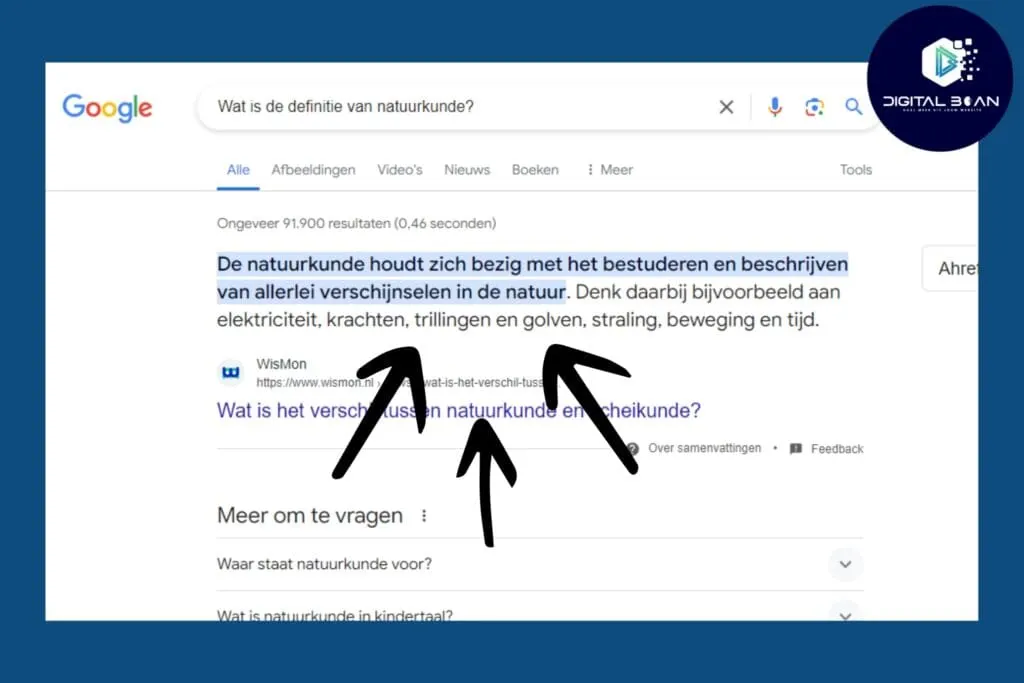
A featured snippet, often referred to as “position 0” within Google's search results, is a special box that appears at the top of the search results page.
The purpose of a featured snippet is to directly answer a user's search query, without them having to click through to an external website.
This makes featured snippets one of the most coveted positions in the world of search engine optimisation (SEO).
Why Go After Those Snippets?
Aiming for featured snippets in Google's search results offers a fantastic opportunity to boost your visibility, and also to show off your expertise and authority in your sector or niche. The benefits of featured snippets:
1. Instantly visible: Featured snippets appear above the standard search results, in what's often referred to as ‘position zero’. This means your content is the first thing users see, without them having to scroll.
2. Better click-through rate (CTR): By being so clearly present at the top of the search results page (SERP), users are more likely to click through to your website. This is especially true when the snippet offers a direct, concise answer to their query, which sparks curiosity and wins the user's trust.

3. Users see you as an authority: Earning a featured snippet is often seen as a sign of authority and trustworthiness in the eyes of both users and Google. It suggests your content is not just relevant, but also of excellent quality! This helps build trust with your target audience and positions your brand as a leader in your niche.
4. Used for voice search: With the rise of digital assistants and smart speakers, voice search has become increasingly important. Featured snippets are often used to answer voice search queries, which means your content has a unique chance of being the only answer a user hears during a voice search.
5. Competitive advantage: By holding the featured snippet for important search terms, you can reduce your competitors' visibility. Users are less likely to keep searching or click through to other results if they find an answer right at the top of the SERP.
6. More organic traffic: While some people say featured snippets can lead to a lower click-through rate because users already get the answer without needing to click, others say a well-optimised snippet can actually generate more traffic. This is especially true if the snippet raises further questions and promises more detailed information on the website.
7. Attracts highly relevant traffic with long-tail keywords: Featured snippets are particularly effective for long queries or questions (long-tail keywords), which often require more specific answers. These can be easier to rank for than more general search terms and offer a great opportunity to attract highly relevant traffic to your site.

Grabbing featured snippets requires a specific approach, where you mainly think about users' needs and questions. More on optimising for featured snippets in a moment, but first, let's look at the different types there are…
Types of Featured Snippets
Featured snippets come in various forms, all aimed at answering different search terms as quickly as possible. Here are the different types of snippets!Paragraph Snippets
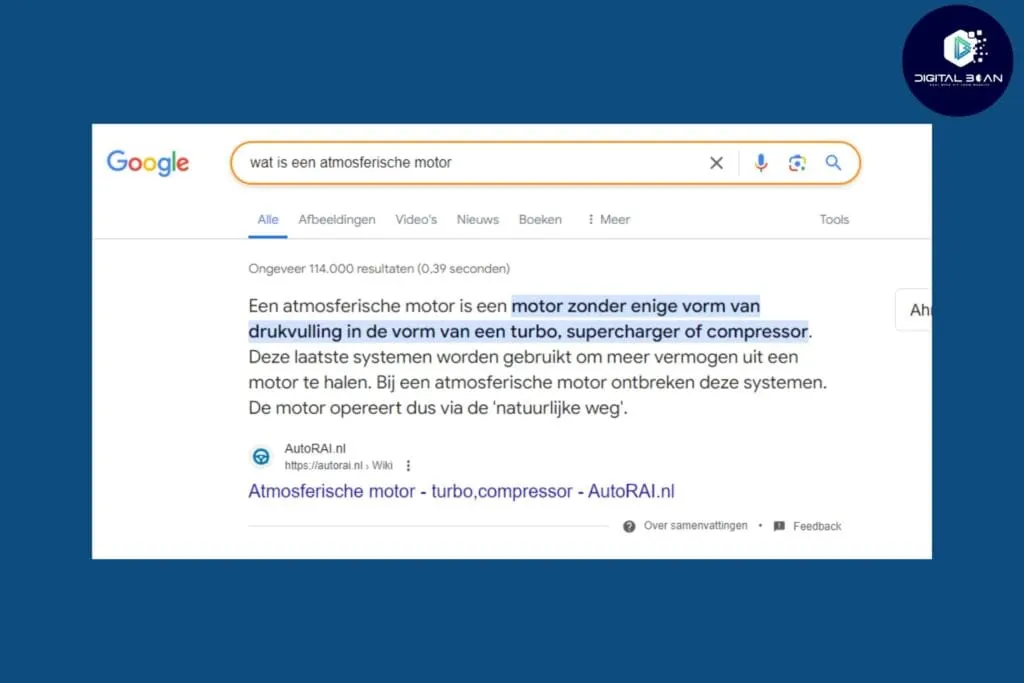
Paragraph snippets are the most common type of featured snippet. They appear as a short block of text that directly answers a search query. This type of snippet is ideal for answering ‘what is’ and ‘how do you’ questions. Paragraph snippets offer a concise answer, taken directly from a webpage's content.
List Snippets
List snippets present information in the form of a list, which can be numbered or unnumbered. These are especially useful for step-by-step instructions, such as recipes or DIY projects, and for lists such as ‘top 10’ rankings. List snippets make information easy to digest for users through a clear structure.
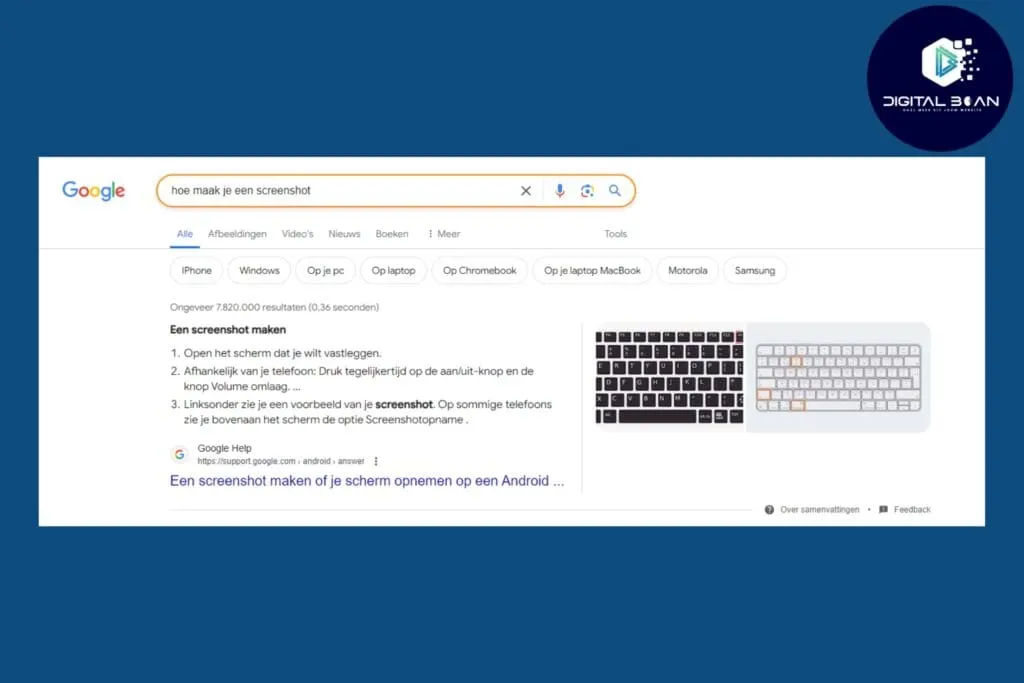
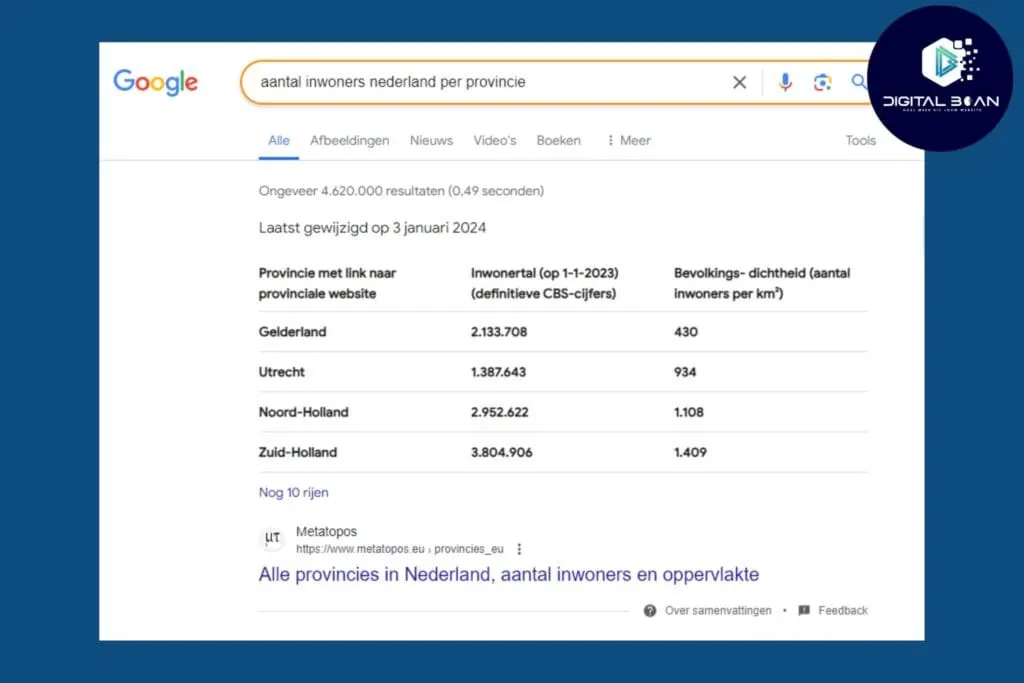
Table Snippets
Table snippets display data in an organised table format. They're ideal for presenting statistics, price comparisons, and schedules. This type of snippet helps users quickly understand complex information by organising it into columns and rows, giving instant insight without the user having to wade through too much text.
Video Snippets
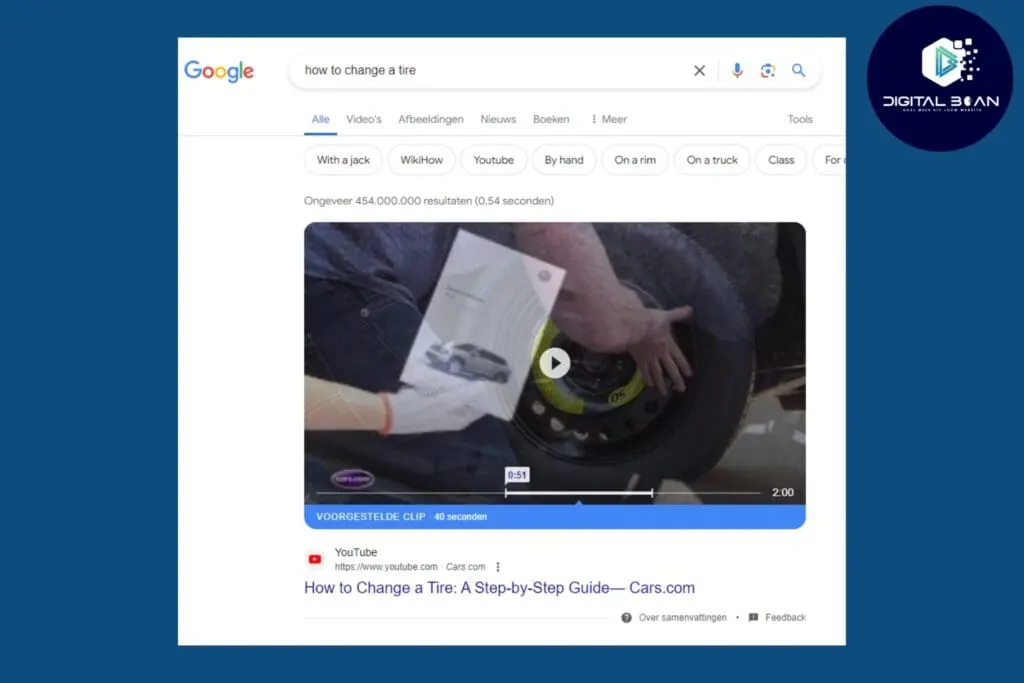
Video snippets show a video that directly answers the user's search query. Often sourced from YouTube, these snippets offer a visual, interactive way to deliver information. They're especially effective for ‘how’ questions, where a visual demonstration can be clearer than written instructions.
How Do You Get That Featured Snippet!
Winning that coveted featured snippet for your website takes a focused approach. Here are clear, direct instructions to boost your chances of appearing at the top of Google's search results in position #0:
1. Identify Promising Search Queries
Start with keyword research to see for which queries Google shows featured snippets. Focus on questions (who, what, where, when, why, how) and searches that call for a definition or explanation.
Use your own brain. 😉 Or paid SEO tools such as Ahrefs, SEMrush, and AnswerThePublic.
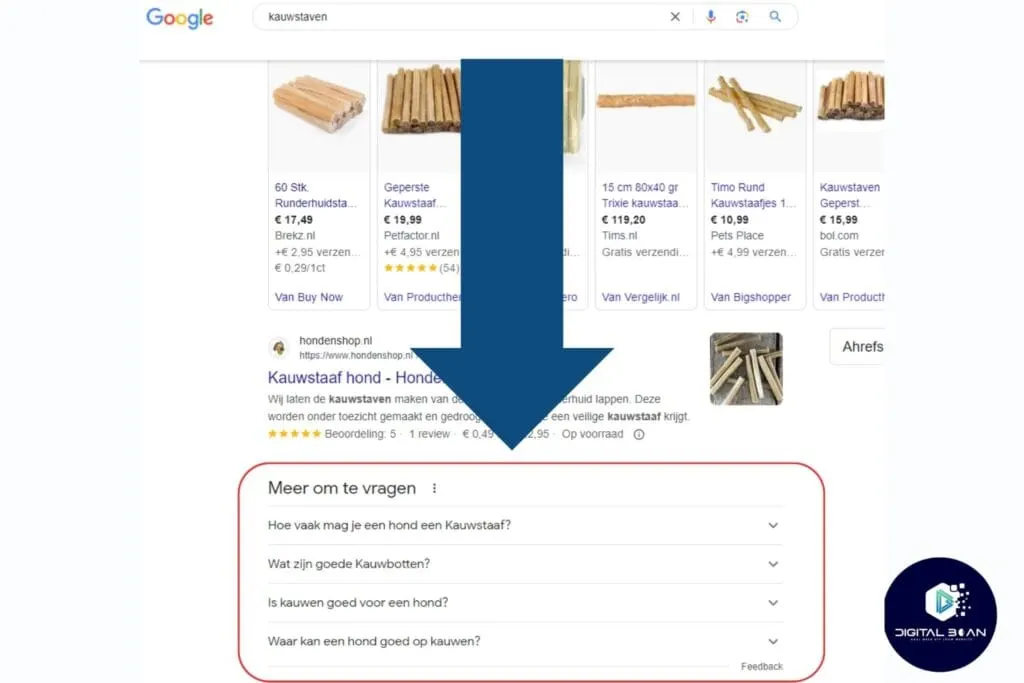
Google's “People also ask” section and ChatGPT also offer a lot of insight.
2. Look at Current Snippets
Look at the current featured snippets for your chosen search queries.
Pay attention to the formats (paragraph, list, table) and the type of content that gets rewarded.
This gives insight into the search intent behind what Google and users are looking for and find valuable.
3. Optimise for the Current Snippet Format
Paragraph Snippets
- Description: Short blocks of text that directly answer questions such as “what is” or “why is”.
- Optimisation: Write a concise, direct paragraph (40-60 words) at the start of your article or page that contains the answer to the query. Use the question as a subheading (H2 or H3) above the answer.
List Snippets
- Description: Both numbered and unnumbered lists showing steps, rankings, or series of items.
- Optimisation:
- For procedural or step-by-step questions: Use a numbered list to describe the steps. Make sure each step is clearly marked and easy to follow.
- For lists of items: Use an unnumbered list. Start the list right after an introductory paragraph that summarises it.
Table Snippets
- Description: Tables showing data or comparisons, such as prices, rates, specifications.
- Optimisation: Create tables in your content that are clear and well structured. Make sure the table's title reflects the search query, and that the data in the table is relevant and well organised.
Video Snippets
- Description: A video that directly answers the search query. Usually sourced from YouTube.
- Optimisation:
- Create video content that directly answers specific questions. Make sure the video's title and description include the search terms.
- Mark specific parts of the video with timestamps to help Google identify the relevant segment. Use relevant keywords wherever you can.
General Optimisation Tips for All Types of Featured Snippets
- Use keywords correctly: Include them naturally in titles, subheadings, and in the first paragraph of your content.
- Offer more information: Not just for the direct question, but also provide additional value and information.
- Look at the current snippet and see how you can make it better or more complete.
- Keep your content updated: The information needs to stay current and relevant to keep your position as a featured snippet.
- Use images and videos where relevant for extra clarification.
Snippet Conclusion!
Featured snippets, also known as ‘position #0’, offer a unique chance to be instantly in the spotlight in Google's search results. By effectively looking at, and creating content for, your target audience's needs and questions, you can significantly boost your visibility, authority and the trust of potential customers. Here are the key points once more:- Instant visibility: Your answer sits at the top, ready to be read.
- Better CTR: An engaging snippet invites more clicks.
- Seen as an authority: A featured snippet position symbolises quality and reliability.
- Voice search: Optimise for the future of search with voice-driven answers.
- Competitive advantage: Dominate important search terms and reduce your competitors' visibility.
- More relevant traffic: Attract highly relevant traffic, especially through long-tail searches.
By knowing the types of snippets and optimising for the specific featured snippet format for your keyword (paragraph, list, table, video), you increase your chances of winning that coveted #0 position.
Now that you understand why earning featured snippets is a smart move for your SEO strategy, it's time to take action!
Want to learn more about how Digital Bean can help you optimise your content for featured snippets and other SEO insights?
Book a free consultation now to find out how we can work together on improving your online marketing and achieving tangible results.
>> Click here to book a call <<
Talk soon!
See you in the next one…