8 Steps to Creating Killer Buyer's Guides!
 Joram BoonSEO and content specialist
17 July 2024 · updated 24 June 2024
Janine is looking for a new laptop. She visits several e-commerce websites, but keeps getting lost in a maze of products and information. Frustrated, she leaves every site without buying anything. A confused buyer, like Janine, never buys.
Many e-commerce stores have the same problem. Visitors come to your site, but often leave without buying anything. Why? Because you're not helping them make a choice.
What you need is a killer buyer's guide. A guide that informs, inspires and guides your customers through their purchase. Imagine: more conversions, happy customers and rising revenue. That's what a well-written buyer's guide can achieve!
In this article, you'll discover the steps to creating an effective buyer's guide. You'll start by understanding your target audience, then write persuasive content and optimise it for SEO. Let's get started and give your online store a killer buyer's guide!
What Is a Buyer's Guide?
A buyer's guide is a structured document that helps potential buyers make informed decisions when purchasing products.
Rather than simply presenting products, a buyer's guide offers valuable information, comparisons and recommendations, which makes the buying process considerably easier and faster for the customer.
Why Are Buyer's Guides Important for E-commerce?
Now you know what a buyer's guide is, but why should you even care? Doesn't it take a lot of time, effort and energy to put one together? To convince you it's worth the effort anyway, here are 5 reasons to create a buyer's guideCustomers Are More Satisfied
An excellent buyer's guide doesn't just answer questions, it anticipates the customer's needs. It offers clarity and reassurance, which results in happy, satisfied customers. And satisfied customers? They come back. They become loyal ambassadors for your brand, spread the word and drive word-of-mouth marketing

Better Conversion and More Revenue, Baby!
When customers know exactly what to expect, and why your product is the perfect choice, they make a purchase decision faster. A well-structured, informative buyer's guide turns hesitant visitors into happy buyers. This translates directly into higher conversion rates and a boost to your revenue.

Fantastic for SEO
A buyer's guide that's cleverly optimised with keywords can also attract plenty of traffic. Even a long-tail keyword like ‘what to look for when buying a padel racket’ already has real search volume! On top of that, it also shows off your expertise, which is good for your EEAT with Google. In short, buyer's guides definitely have an impact on SEO.

Customers Know What They're Buying, Which Means Fewer Returns
A buyer's guide acts as a valuable source of knowledge. It helps customers understand the nuances of your products, so they can make better-informed choices. Fewer surprises after the purchase means fewer returns and complaints, which benefits both you and your customers.
Positions Your Brand or Online Store as an Authority
By sharing your expertise and knowledge through a buyer's guide, you position your brand as a trusted authority in your market. This builds trust with your customers and makes them more likely to come back for future purchases. Your brand becomes the go-to source for valuable, reliable information.

In short, a buyer's guide is a pretty important piece of the puzzle. But now you know why you should use one. So how do you create a buyer's guide that people REALLY get value from? Read on and discover the 8 steps how…
Step 1: Step Fully Into the Consumer's Shoes
To create an effective buyer's guide, you first need to thoroughly understand your target audience. Without that knowledge, you're shooting in the dark.
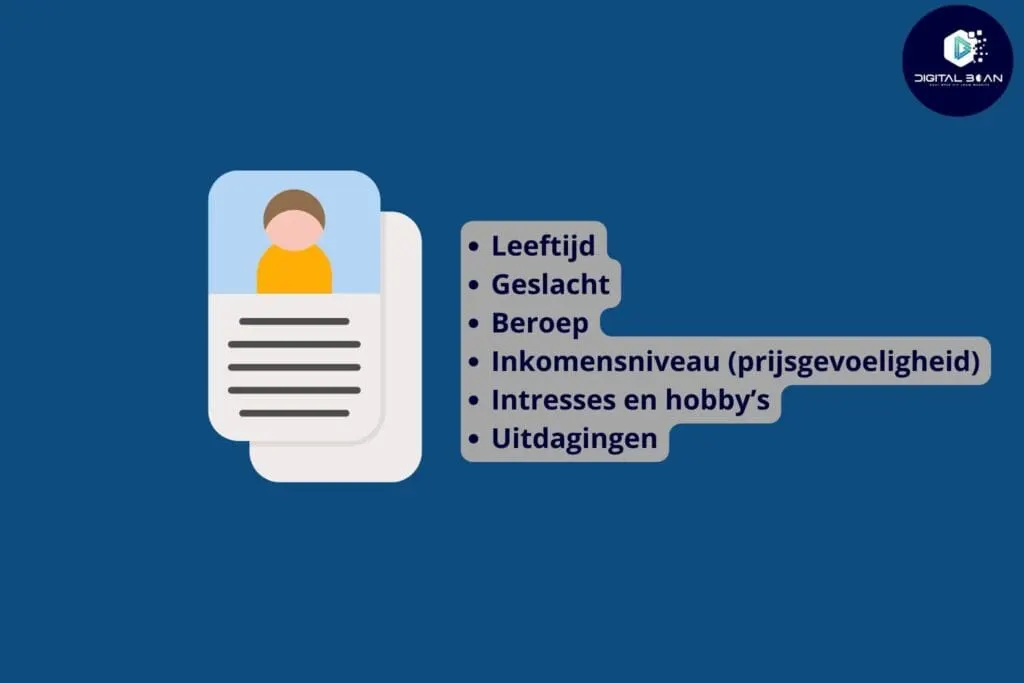
Gather data on demographics such as age, gender, location and income level. Understand their interests, values and lifestyle to map out their psychographics. Analyse their pain points and needs: what problems does your product solve? What specific needs do your customers have?
Also look into their buying behaviour. Use tools such as Google Analytics and customer reviews to get insight into how your target audience decides and buys. Use all this data to create detailed personas that represent your ideal customers.
Use this information to tailor your buyer's guide to the specific needs and questions of your target audience. This considerably increases the relevance and effectiveness of your guide.
Step 2: Gather and Analyse Data
Start by gathering data from reliable sources such as product descriptions, reviews and industry research. Make sure all the information is current and accurate.
Use surveys, reviews and feedback to gather customer insights. Identify your customers' most common questions and concerns so your buyer's guide is relevant right from the start.
Do keyword research with tools such as Ahrefs or SEMrush to find relevant keywords. Here's how to do it!
Analyse your competitors' buyer's guides to see what works well and where there's room for improvement. Note down their strengths and weaknesses.
These steps make sure your buyer's guide is informative, reliable and valuable for your target audience, and lay the foundation for an effective guide.

Step 3: Structure and Layout
The structure and layout of your buyer's guide play a key role in its readability and usability.
- Layout: Use clear headings and subheadings to break up the content. Think of sections such as a product overview, benefits and frequently asked questions.
- Bullet points: Use bullet points for important information and benefits. This improves scannability.
- Logical flow: Create a natural order. Start with an introduction, followed by detailed product information, and end with a clear call to action.
- Visual elements: Add images, infographics and tables to clarify information and make it visually appealing.
- Readability: Use short paragraphs, simple language and clear typography. Avoid jargon and complex sentences.
Pro tip: Before you start writing, make an outline of all the headings and note under each one which information should go there.
A well-structured, clearly organised buyer's guide makes it easier for your customers to find the information they need, which leads to faster decisions. The design can make or break your buyer's guide.

Step 4: Write Clear, Concise Content
Powerful buyer's guides are clear and to the point. Follow these tips:
- Writing style: Use an active writing style to engage your readers. For example, “Compare products quickly” instead of “Products can be compared quickly.”
- Short sentences: Keep sentences short and to the point. Avoid jargon and difficult words, which can only confuse people.
- Storytelling: Tell stories to back up your points. Use customer stories to make your guide more human and more relevant.
- Clarity: Be clear in your recommendations. For example, say: “We recommend product X because it scores best on Y.”
- Visual elements: Use bullet points, tables and charts to present information clearly.
Clear, concise content makes sure your readers quickly find the information they need, so they can make decisions faster.
Step 4: SEO Optimisation
A well-optimised buyer's guide is key to visibility in search engines. Here are the most important steps:
Working keywords into your SEO content is, of course, always a good idea. It opens up even more opportunities to attract highly relevant traffic to your online store.
Use relevant keywords in your SEO title, subheadings and throughout your SEO copy. Keep it natural though: a couple of keywords are enough. For buyer's guides, really focus on being helpful to the user and forget about the search engine for a moment.
Write catchy meta descriptions of no more than 150 characters that contain keywords and invite clicks. Add descriptive alt tags to your images with keywords where possible, so you can also attract visual traffic from, for example, Google Images.
Connect your buyer's guide to other relevant pages on your website through internal links, to keep visitors on your site longer and boost SEO value. Also link to reliable external sources to strengthen your guide and boost credibility. (This isn't a must.)
SEO optimisation makes sure your buyer's guide isn't just valuable to your visitors, but also ranks well in search engines.

Step 6: Add Visual Elements
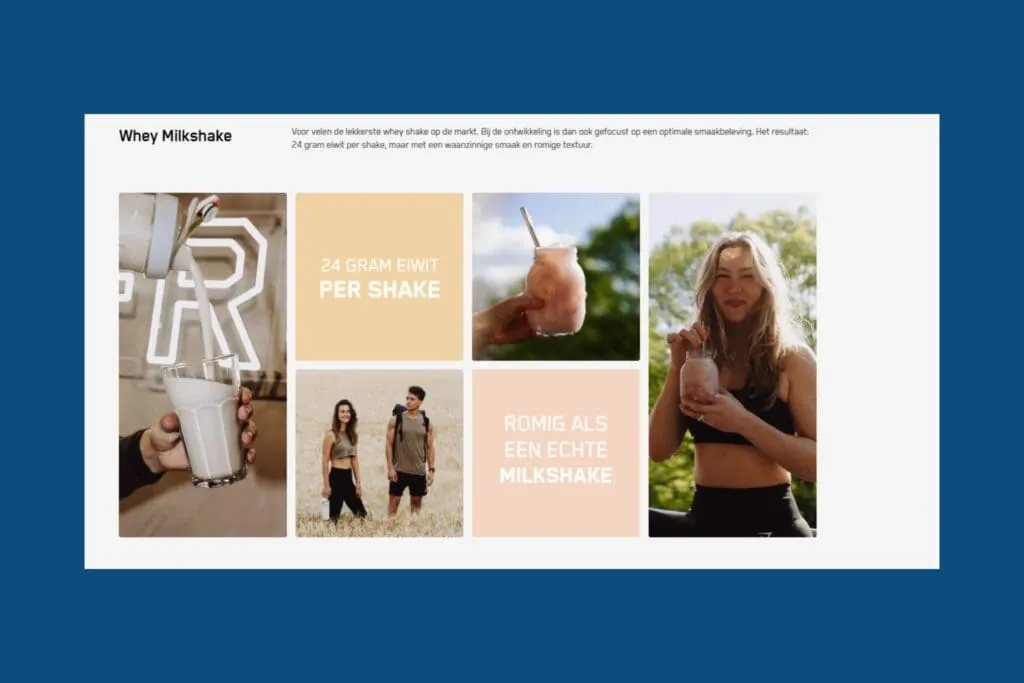
People love photos, illustrations and videos: they're easy to understand and often break up the text, which makes it even easier to read. Visual elements make your buyer's guide more appealing and help convey tricky information:
- Use high-quality product images. Add product photos, lifestyle shots and close-ups.
- Make complex information easy to understand with infographics or illustrations. Visualise comparisons and step-by-step plans.
- Add videos that demonstrate products or show reviews. Videos can considerably increase conversion rates, because they make things tangible for people: they actually see the product in action.
- Use diagrams and tables to compare product features and specifications.
- Make sure all your visual elements are optimised for fast loading times and have relevant alt tags.
Visual elements improve readability and engagement, which makes your buyer's guide more effective.
Step 8: Call to Action (CTA)
A call to action (CTA) plays a vital role in your buyer's guide. It prompts your visitors to take action and guides them to the next step in their buying process. Here are a few tips for an effective CTA:
- Be Clear and Specific: Use direct language such as “Buy now”, “Get your free trial”, or “Download the guide”.
- Placement: Place your CTA strategically, for example at the end of your buyer's guide, but also halfway through if there's a good chance the reader is already convinced.
- Design: Make sure your CTA stands out with an eye-catching button or link. Use contrasting colours and make the button big enough not to be missed.
- Offer Value: Make it clear what the reader gets when they click the CTA. This could be a discount, a free guide or a special offer.
An effective CTA can considerably increase your conversion rate. Experiment with different copy and designs to see what works best for your target audience.

Everything at a Glance
Creating an effective buyer's guide can make a real difference for your e-commerce website. By following the steps we've covered, you can build a guide that not only helps your visitors make a quick, easy choice, but also improves your SEO and boosts your conversions.
Here's a quick summary:
- Understand your target audience thoroughly
- Do thorough research and gather valuable information
- Create a clear, well-organised structure
- Optimise your guide for search engines
- Write clear, concise content
- Add visual elements to make your guide more appealing
- Use social proof and customer reviews to build trust
- End with a strong call to action
Follow these steps and you'll see that your buyer's guides not only satisfy your visitors, but also increase your revenue.
Not quite sure how to handle e-commerce SEO and content? Book a free call with one of our Digital Bean experts.
Good luck, and see you in the next one…
PS: ChatGPT can help you enormously with this process, so make use of it too! It makes your life a lot easier and more efficient.